
Why kitchen plumbing faults need close checking
Tight spaces handled carefully
We work around crowded cupboards and multiple nearby connections.
Supply and waste considered together
Leaks, smells and slow drainage are checked as part of the same picture.
Cupboards checked afterwards
We inspect the surrounding area so hidden leakage is less likely to linger.
Kitchen faults in the busiest part of the house
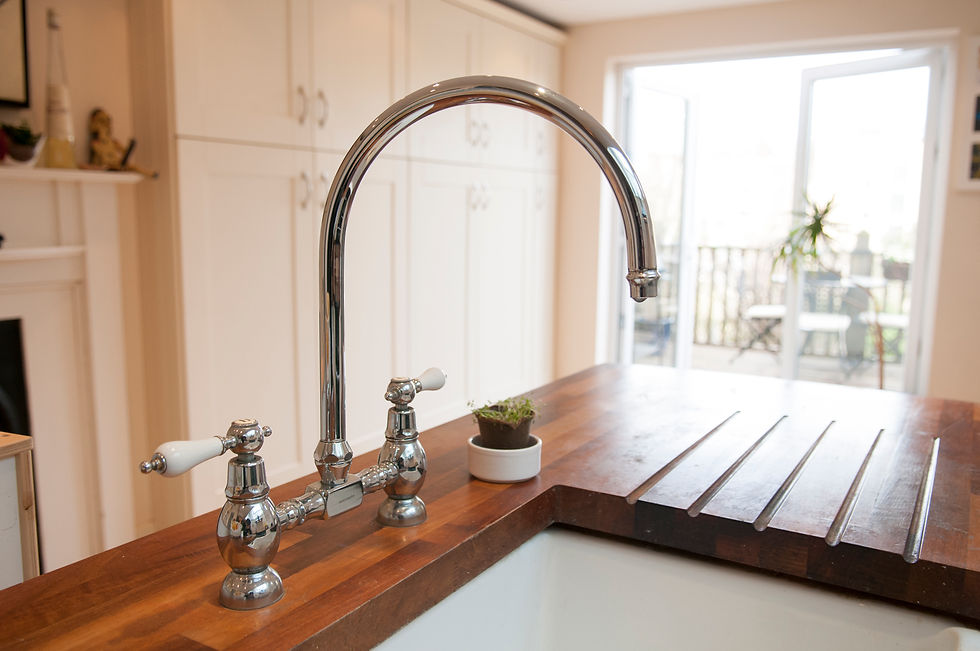
Kitchen plumbing has a habit of hiding several potential trouble spots in one cramped cupboard. We focus on faults around sinks, taps, traps, wastes, supply valves and the plumbing connections for water-using appliances. Typical signs include leaks under the sink, slow drainage, unpleasant waste-pipe smells, dripping taps and damaged connections. Because the space is often tight and several pipes can sit side by side, diagnosis and access take a bit of care. In Stourbridge kitchens, the main challenge is often working out which connection is really at fault when everything under the sink looks equally guilty after a leak.

Repairs that check both supply and drainage
Depending on the problem, the work may involve cleaning, resealing, fitting replacement parts or renewing damaged supply or waste connections. We then test both the water supplies and the drainage while checking the cupboard and surrounding fittings for signs of further leakage. That matters because a kitchen fault is not always just one thing. A drip from above can mask a waste problem below, and a smell can point to an issue that only shows itself when water is running through the sink. The aim is to leave the area working properly without unpleasant surprises waiting in the cupboard later.
Frequently asked questions
Why does the kitchen cupboard keep getting wet?
Water under the sink can come from supply connections, waste fittings, taps or nearby appliance pipework. Because several components sit close together, we trace the source carefully rather than assuming the wettest spot is the guilty one.
Can bad smells come from the waste pipe?
Yes, unpleasant odours can point to a waste or trap issue, especially if drainage is slow or the connections are not sealing as they should. We look at drainage behaviour as well as the pipework itself before deciding what repair is needed.
What do we check once the repair is done?
We run the water, test the drainage and look over the repaired area and nearby cupboard space for signs of further leakage. The idea is to check both sides of the plumbing, not just the bit that seemed most obvious at first.