
What a toilet repair should put right
Water waste reduced
We tackle hidden leaks and constant running before they drain more away.
Faults inside the cistern found
Valves, seals and mechanisms are checked to locate the true problem.
Repeated testing afterwards
Flush and refill behaviour are checked more than once before we finish.
Sorting the parts you cannot see clearly
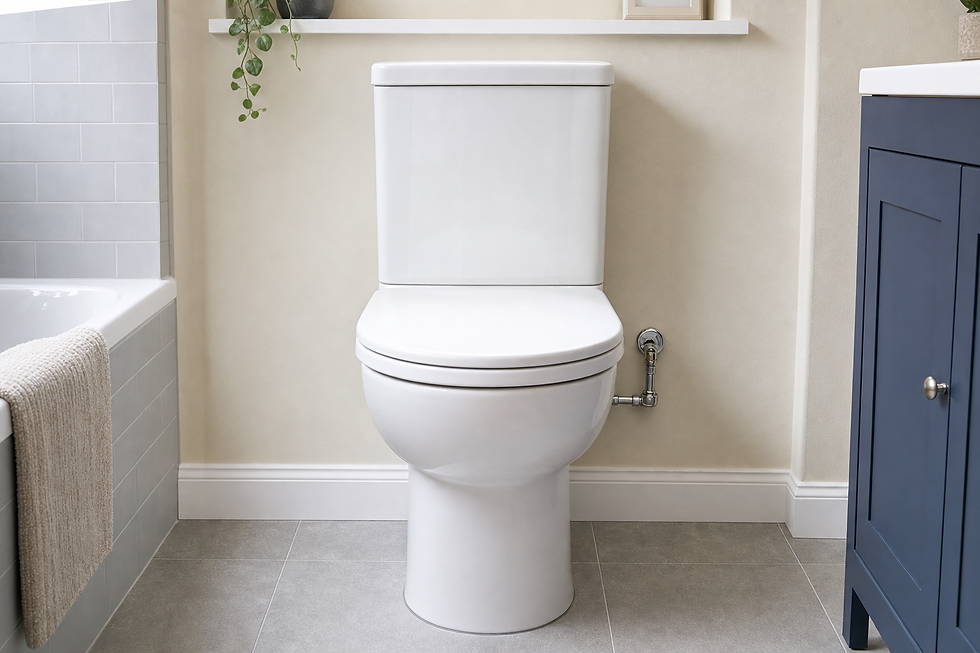
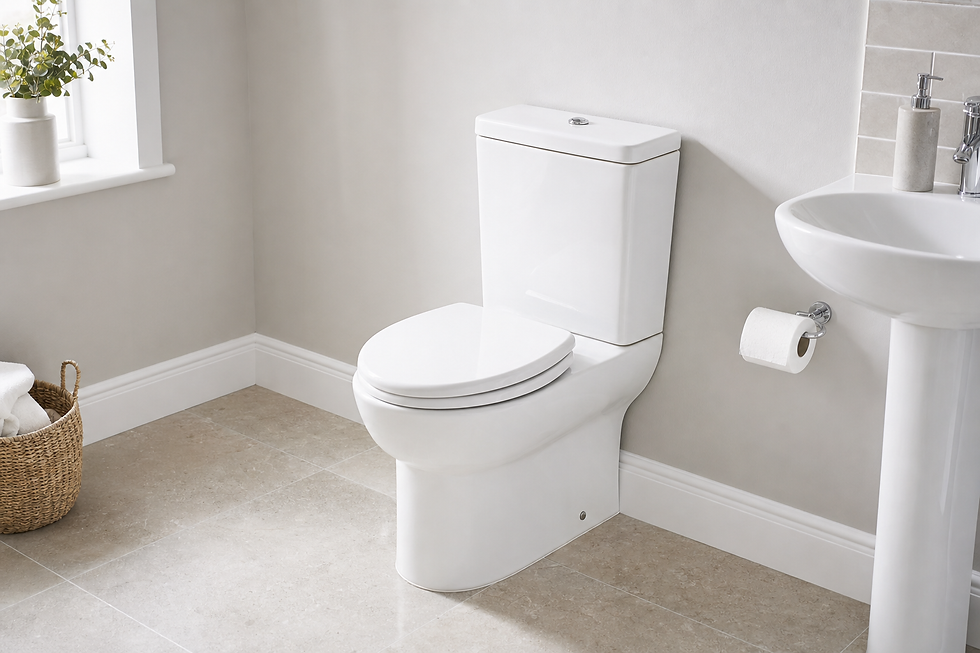
A toilet fault often comes down to small parts working badly inside a place few people want to investigate for long. We deal with toilets that keep running, refill slowly, fail to flush properly, leak at the base or connections, or develop problems within the cistern itself. That means checking the inlet valve, flush mechanism, seals, overflow arrangements, pan connector and water supply to work out where the trouble really sits. In Stourbridge homes, hidden cistern leaks and constant running are common reasons for calling, especially when the toilet seems usable enough to ignore but is quietly wasting water all the same.
Adjustment, replacement and proper flush testing
Depending on the fault, the answer may be adjustment, descaling, resealing or replacement of a worn cistern component. The key is matching the repair to the failed part rather than wrestling the whole toilet for the sake of it. After the work, we carry out repeated flush testing, check the refill behaviour and inspect the relevant connections for leaks. That matters because a toilet can appear fine on the first flush and still show its bad habits a few minutes later. The aim is a toilet that fills, flushes and shuts off as it should without wasting water in the background.
Frequently asked questions
Why does the toilet keep running after a flush?
Constant running usually points to a problem with the cistern components, such as the flush mechanism, seals or inlet valve. We inspect the working parts to identify which item is failing rather than guessing from the sound alone.
What causes a toilet to refill slowly?
Slow refilling can be caused by an issue with the water supply into the cistern or by a component that is not working properly inside it. We check both the feed and the mechanism, because either can affect how quickly the cistern recovers after a flush.
How do we check the repair has worked?
We flush the toilet repeatedly, watch the refill behaviour and inspect the relevant connections for signs of leakage. That gives the repair a fair test under use instead of relying on a single flush and a hopeful shrug.